| Copper trading (XCNUSD): What it is and how to trade? |
What is copper?Copper is a reddish-brown metal with the chemical symbol Cu and atomic number 29. It’s a transition metal known for its high electrical and thermal conductivity, which makes it a vital material in electrical wiring, electronics, and plumbing. Copper is also used in various alloys, such as bronze (copper and tin) and brass (copper and zinc), and has applications ranging from coins and jewelry to architectural elements. In addition to its practical uses, copper plays an essential role in biological systems as a trace element necessary for the function of various enzymes and proteins in living organisms.
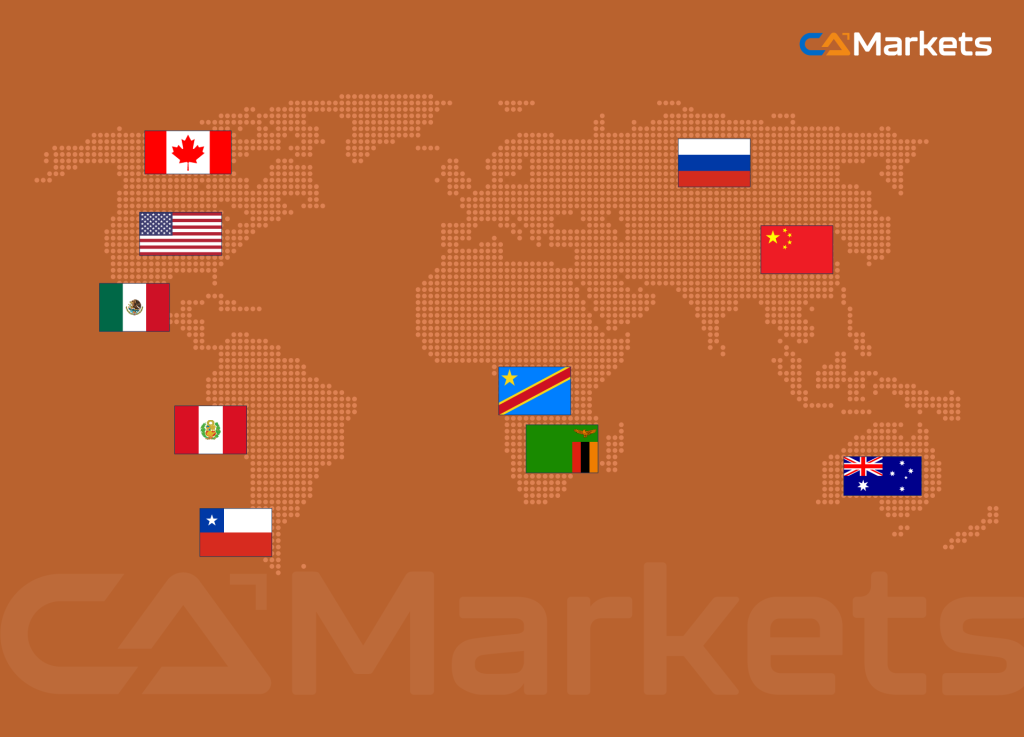
Copper is primarily obtained from mining and comes from several types of ore deposits. Major copper-producing countries include Chile, Peru, China, and the United States, with Chile being the largest producer globally. Here’s a brief overview of where copper can be sourced: 1. Copper Ores: Copper is found in various ore deposits, primarily as copper sulfide and copper oxide ores. The most common copper ores include:
2. Mining: Copper is extracted through two main methods:
3. Processing: After extraction, copper ore is processed to remove impurities and obtain pure copper. This usually involves crushing and grinding the ore, followed by flotation to separate the copper from the waste material, and then smelting to produce copper metal. 4. Recycling: Copper is also sourced from recycled materials. Recycled copper comes from old electrical wires, plumbing pipes, and other products. Recycling copper is highly efficient and reduces the need for new mining, conserving natural resources and energy.
1. High Conductivity: Copper is one of the best conductors of electricity and heat. This makes it essential for electrical wiring, electronics, and heat exchangers. Its electrical conductivity is second only to silver, but copper is more affordable and practical for most applications. 2. Versatility: Copper is highly versatile and can be alloyed with other metals to create materials with a range of properties. For example:
3. Durability and Corrosion Resistance: Copper is resistant to corrosion, especially when exposed to air and moisture. This makes it a durable choice for plumbing pipes, roofing, and outdoor structures. 4. Recyclability: Copper is highly recyclable without losing its properties. Recycled copper retains nearly the same quality as new copper and can be reused in numerous applications, contributing to its sustainability and reducing the environmental impact of mining. 5. Economic Impact: Copper is a critical component in many industries, including construction, automotive, electronics, and renewable energy. The demand for copper is closely linked to economic development and infrastructure projects. 6. Biological Importance: Copper is an essential trace element in the human body, playing a crucial role in various physiological processes, including iron metabolism, the formation of red blood cells, and the maintenance of healthy connective tissues. 7. Historical Significance: Copper has been used by humans for thousands of years, dating back to ancient civilizations. Its historical significance adds to its value and demand.
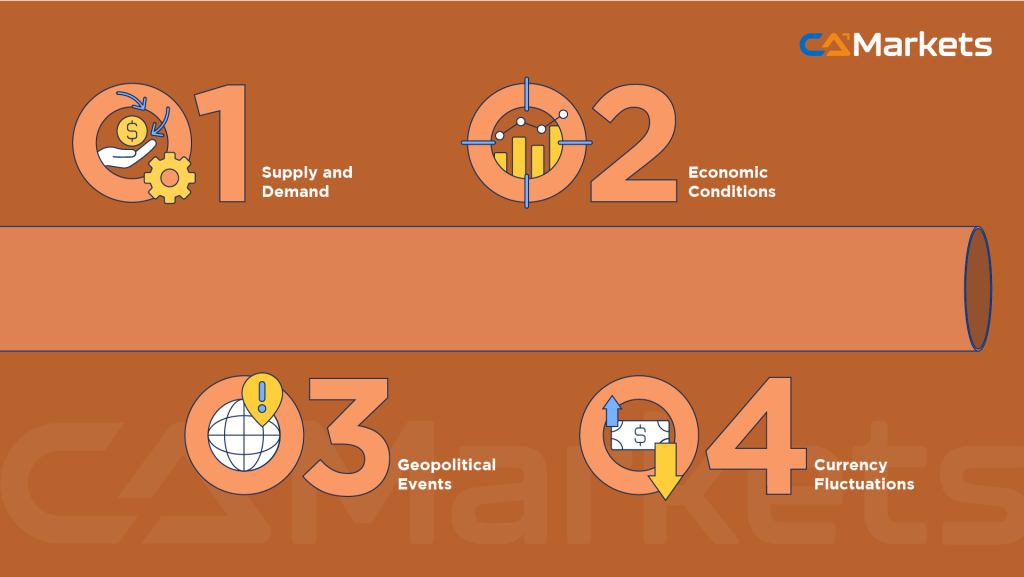
The price of copper is influenced by a variety of factors, which can be broadly categorized into supply-side, demand-side, and external factors. Understanding these factors helps explain the volatility and fluctuations in copper prices, as they interact in complex ways to shape the global copper market.
1. Mining Production:
2. Geopolitical Factors:
3. Environmental Regulations:
4. Production Disruptions:
1. Economic Growth:
2. Technological Advances:
3. Renewable Energy:
1. Global Market Conditions:
2. Investment and Speculation:
3. Global Trade Policies:
4. Inflation and Economic Indicators:
|


-
Ultra-low spread
Spreads start from 0.0, striving to minimize transaction costs.

-
Trading instruments
A bridge connecting investors and financial markets

-
Financial data
It is one of the core drivers of foreign exchange market volatility.

-
 Earn a stable income by referring clients to our platform. As a partner, you will become an integral part of our network, leveraging our renowned brand and comprehensive financial services to attract new clients. Our partner program is designed for mutual benefit, offering an attractive commission structure and rewards for every client you refer.
 -
Multiple strict regulations
Subject to strict supervision by financial regulatory agencies across the country.